
Senior Dental Care in Mississauga: CDCP Coverage, Costs & What to Expect (2026)
Dental needs change with age, and finding the right senior dental care Mississauga clinic can make a real difference in comfort, cost, and long-term oral health. Between the new Canadian Dental Care Plan, changing gum and tooth wear patterns, and the practical challenges of mobility or medication side effects, seniors and their caregivers often have very specific questions that a standard dental FAQ doesn’t answer. This guide covers what changes dentally as we age, how CDCP coverage works for seniors, realistic 2026 cost ranges, and how to choose a senior-friendly dental clinic in Mississauga.
At Eglinton Oak Dental, our team welcomes senior patients with unhurried appointments and CDCP direct billing — call 905-607-1112 to book a consultation.
Have Questions About Senior Dental Coverage?
Our team can check your CDCP eligibility and walk you through costs before you book — rated 4.8★ by 320+ patients. Fill in the quick form below and we’ll call you back, or call 905-607-1112 now.
Why dental care needs change as we age
Oral health doesn’t stay static over a lifetime, and several age-related factors combine to make senior dental care meaningfully different from care in your 30s or 40s. Decades of chewing wear down enamel and existing fillings, gum tissue naturally recedes and exposes softer root surfaces that decay more easily, and saliva production — your mouth’s natural defense against bacteria and acid — tends to decrease with age and is further reduced by many common medications. Add in the cumulative effect of any past dental work (older fillings and crowns eventually need replacement) and it’s clear why a dentist experienced in senior dental care Mississauga patients need pays close attention to a different set of risk factors than they would for a younger adult.
Common dental issues in older adults
Understanding these changes is the foundation of good senior dental care Mississauga patients can rely on, since the right preventive plan looks different at 70 than it did at 40.
- Root decay: as gums recede, exposed tooth roots lack the protective enamel layer and decay more easily and painlessly, often going unnoticed until advanced
- Dry mouth (xerostomia): a side effect of many common medications for blood pressure, depression, allergies, and more, dry mouth dramatically increases cavity and gum disease risk
- Gum recession and periodontal disease: years of plaque exposure and, in some cases, past smoking or diabetes, make gum disease more prevalent with age
- Worn or cracked teeth: decades of chewing, grinding, or old large fillings weaken tooth structure over time
- Denture-related issues: ill-fitting dentures from jawbone changes over time can cause sores, difficulty chewing, or slipping
- Reduced dexterity: arthritis or other mobility limitations can make thorough brushing and flossing physically harder, increasing plaque buildup
None of these are inevitable, but they are common enough that a dentist working with seniors should be actively screening for them at every visit, not waiting for a patient to report pain.
The Canadian Dental Care Plan (CDCP) for seniors: how it works
The Canadian Dental Care Plan is one of the most significant changes to dental access for seniors in recent memory. Seniors aged 65 and older with an adjusted family net income under $90,000 and no access to private dental insurance are eligible to apply, with the exact reimbursement percentage (100%, 60%, or 40% of the CDCP fee schedule) depending on household income tier. Applications go through Service Canada, and once approved, most direct-billing clinics — including ours — can bill Sun Life directly on your behalf, so you typically only pay any difference between the CDCP fee schedule and your dentist’s actual fee, if any. We’re a registered CDCP direct billing provider and can check your eligibility status before your first appointment. See our full CDCP coverage guide for the complete eligibility breakdown and application steps.
What CDCP does and doesn’t cover for seniors
The CDCP covers a broad range of core services relevant to seniors, including exams, cleanings, X-rays, fillings, extractions, root canals, and full or partial dentures. It does not currently cover most orthodontic treatment, cosmetic procedures like veneers or teeth whitening, and some specialized restorative work such as certain implant components, though coverage details are periodically updated by the federal government. Because the CDCP fee schedule sometimes sits below what a clinic bills for a given procedure, there can occasionally be a balance-billing gap between what CDCP pays and the clinic’s fee — we always disclose this upfront before any treatment so there are no surprises, and many procedures have no gap at all.
Cost of common senior dental treatments in Mississauga (2026)
Budgeting for senior dental care Mississauga patients need becomes far easier once you know your CDCP coverage tier, since the out-of-pocket gap can shrink dramatically for eligible households.
Approximate 2026 costs for common senior dental care in Mississauga, before any CDCP or insurance coverage is applied:
- Comprehensive exam + X-rays: roughly $150 – $250
- Cleaning (standard): roughly $150 – $300
- Tooth extraction (simple): roughly $150 – $350 per tooth
- Full denture (per arch): roughly $1,500 – $3,500
- Partial denture: roughly $800 – $2,000
- Dental implant (per tooth, if not CDCP-covered): roughly $3,000 – $6,000
For CDCP-eligible seniors, a large portion of routine and even major restorative costs like dentures and extractions can be substantially offset, sometimes fully, depending on your coverage tier. We provide a full written estimate showing your CDCP portion and any remaining balance before treatment begins.
Dentures vs. dental implants for seniors: which is right for you?
Dentures (full or partial) remain the most affordable and widely CDCP-covered option for replacing missing teeth, and modern dentures fit and look significantly better than older generations of dentures. They’re removable, require relining every few years as your jawbone shape changes, and take some adjustment time for eating and speaking. Dental implants offer a fixed, more natural-feeling alternative that doesn’t rely on the gums for support, but come at a substantially higher upfront cost and generally aren’t covered by CDCP. Many seniors choose a combination approach — a few strategically placed implants to anchor and stabilize a denture (an “implant-supported denture”), which improves stability and chewing comfort at a lower cost than a full set of individual implants. We’ll walk through the trade-offs based on your jawbone health, budget, and daily lifestyle during a consultation.
Managing dry mouth and medication side effects
Dry mouth is one of the most common and most overlooked dental risk factors for seniors, since it’s a side effect of dozens of widely prescribed medications for blood pressure, cholesterol, depression, anxiety, allergies, and more. Saliva plays a huge protective role — it neutralizes acid, washes away food debris, and contains minerals that help repair early enamel damage — so reduced saliva flow significantly raises cavity and gum disease risk even with good brushing habits. We recommend telling us about all current medications at every visit, using an alcohol-free mouthwash designed for dry mouth, sipping water regularly throughout the day, and considering a prescription fluoride toothpaste if dry mouth is significant. Catching this risk factor early lets us adjust your cleaning frequency and preventive care before it leads to new cavities.
Mobility & accessibility considerations at our clinic
Practical accessibility matters as much as clinical care for many senior patients. Our clinic is designed with ground-level, wheelchair-accessible access, and we build extra time into senior appointments so nobody feels rushed getting in or out of the chair. If a patient uses a mobility aid, has difficulty with transfers, or needs a caregiver present throughout the appointment, just let our front desk know when booking so we can plan the visit accordingly. We also offer flexible scheduling, including daytime weekday slots that avoid rush-hour traffic for patients who prefer not to drive during busier times.
Tips for caregivers helping a senior family member with dental care
Caregivers are often the ones actually coordinating senior dental care Mississauga appointments, so a few practical habits make a real difference.
- Keep a running list of medications and any new diagnoses to share with the dental team at each visit
- Watch for signs of dental pain that a senior with memory changes may not directly report — reduced appetite, avoiding certain foods, or touching the face/jaw frequently
- Help set reminders for daily denture cleaning or brushing if dexterity or memory is a challenge
- Bring a list of questions to the appointment, since it’s easy to forget concerns once you’re in the room
- Ask about CDCP eligibility directly — many families assume a senior already has coverage sorted out when they haven’t applied yet
How often should seniors visit the dentist?
Most seniors benefit from a checkup and cleaning every six months, the same general guideline as younger adults, but we may recommend more frequent visits — every three to four months — for patients with dry mouth, active gum disease, dentures, or several existing restorations that need monitoring. More frequent short visits are usually far less costly and less invasive than waiting for a problem to become painful, especially since root decay and gum disease can progress silently in older adults without early symptoms.
Gum disease risk in older adults
Gum health is one of the most overlooked pillars of solid senior dental care Mississauga patients need, since periodontal disease often progresses quietly until it becomes serious.
Periodontal (gum) disease becomes more common with age, driven by decades of cumulative plaque exposure, and is also linked to broader health conditions like diabetes and cardiovascular disease that become more prevalent later in life. Early gum disease (gingivitis) is reversible with improved home care and professional cleaning, but advanced gum disease (periodontitis) can lead to loose teeth and bone loss if untreated. We screen gum pocket depth at every checkup specifically because this progression is often painless until it’s fairly advanced — regular monitoring is the most effective way to catch it early. See our gum disease treatment page for more on how we manage this.
Emergency dental care for seniors
Dental emergencies — a cracked tooth, a lost filling, sudden swelling, or denture damage — deserve prompt attention at any age, but seniors are sometimes more hesitant to seek same-day care due to transportation or mobility concerns. We prioritize same-day emergency slots and can often advise by phone on immediate steps to manage pain or protect a damaged tooth until you’re seen. See our full emergency dentist Mississauga guide for what qualifies as urgent and what can wait for a scheduled visit.
Choosing a senior-friendly dental clinic: what to look for
Not every clinic offering general services is truly set up for senior dental care Mississauga families need — the details below separate a clinic that merely accepts senior patients from one genuinely built around their needs.
When evaluating a clinic for yourself or a family member, look for CDCP direct billing (so you aren’t paying upfront and waiting for reimbursement), ground-floor or elevator accessibility, a team willing to build extra time into appointments rather than rushing, transparent cost estimates before treatment, and experience specifically with denture care and gum disease management. A clinic that treats patients across all age groups — not just seniors in isolation — often has broader restorative experience to draw on, since techniques like implant-supported dentures benefit from a team that also handles general restorative and cosmetic dentistry regularly.
Common myths about senior dental care
Misinformation is one of the biggest barriers to good senior dental care Mississauga patients receive, since outdated assumptions often delay treatment that would otherwise be simple and affordable.
Myth: Losing your teeth is a normal part of aging. Tooth loss is common but not inevitable — with consistent care, most people can keep their natural teeth for life. Tooth loss is driven by disease and neglect, not age itself.
Myth: If you have dentures, you don’t need to see the dentist anymore. Denture wearers still need regular checkups to monitor gum health, denture fit, and screen for oral cancer, since jawbone and gum shape continue to change over time.
Myth: The CDCP covers everything for seniors. CDCP covers a broad range of core services but not all cosmetic or specialized treatments, and there can be a balance-billing gap on some procedures depending on your coverage tier.
Myth: Dental implants aren’t an option for older patients. Age alone rarely disqualifies someone from implants — what matters more is jawbone density and overall health, which we assess individually.
Serving Mississauga, Erin Mills, Churchill Meadows, Streetsville & Meadowvale
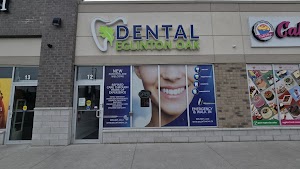
Eglinton Oak Dental provides senior dental care to patients across Mississauga, including Erin Mills, Central Erin Mills, Churchill Meadows, Streetsville, and Meadowvale. Our Eglinton Ave W clinic offers accessible, unhurried appointments and CDCP direct billing for eligible senior patients.
Why Choose Eglinton Oak Dental for Senior Dental Care
Good senior dental care Mississauga patients can rely on comes down to patience, clear communication about cost and coverage, and genuine experience with the specific issues that come with aging teeth and gums. Our team is a registered CDCP direct billing provider, builds extra time into every senior appointment, and is upfront about what’s covered and what isn’t before any treatment begins. Rated 4.8★ by more than 320 patients, we welcome seniors and their caregivers to come in with questions, not just appointments. Call 905-607-1112 to book a consultation.
Frequently asked questions about senior dental care in Mississauga
Am I eligible for the Canadian Dental Care Plan as a senior?
Seniors 65 and older with an adjusted family net income under $90,000 and no access to private dental insurance are generally eligible to apply for the CDCP.
Does the CDCP cover dentures?
Yes, full and partial dentures are among the core services covered by the CDCP for eligible patients, subject to the plan’s fee schedule and coverage tier.
How much does a full denture cost in Mississauga?
A full denture per arch typically costs $1,500 to $3,500 before any CDCP or insurance coverage is applied.
Why do seniors get more cavities near the gumline?
As gums recede with age, they expose softer root surfaces that lack a protective enamel layer, making them more prone to decay than the crown of the tooth.
Can dry mouth from medication really increase cavity risk?
Yes, reduced saliva flow from common medications significantly increases both cavity and gum disease risk, since saliva plays a key protective role in the mouth.
Are dental implants an option for older patients?
Age alone rarely disqualifies a patient from implants; jawbone density and overall health are the more important factors, assessed individually during a consultation.
How often should seniors have a dental checkup?
Most seniors benefit from a checkup every six months, though patients with dry mouth, gum disease, or dentures may be advised to come every three to four months.
Do denture wearers still need regular dental visits?
Yes, denture wearers still need regular checkups to monitor gum health, denture fit, and screen for oral cancer.