
Dental Veneers in Mississauga: Cost, Types & Smile Makeover Guide (2026)
Chipped edges, gaps, discolouration, or teeth that just look a little uneven — these are exactly what dental veneers Mississauga patients turn to us for. Veneers are one of the fastest ways to transform a smile without orthodontics or invasive surgery, but the cost and options can be confusing. This guide covers what dental veneers Mississauga cost in 2026, the difference between porcelain and composite veneers, what the smile makeover process actually involves, and how to know if veneers are right for you.
At Eglinton Oak Dental, our cosmetic dentistry team designs dental veneers Mississauga patients love to look natural and last — call 905-607-1112 to book a smile consultation.
Curious What Veneers Would Cost for Your Smile?
Book a cosmetic consultation with our team — rated 4.8★ by 320+ patients. Fill in the quick form below and we’ll call you back, or call 905-607-1112 now.
What are dental veneers?
Dental veneers are thin, custom-made shells — usually made from porcelain or composite resin — that are bonded to the front surface of your teeth to improve their colour, shape, size, or alignment. Unlike crowns, which cover the entire tooth, veneers only cover the visible front surface, making them a more conservative option for purely cosmetic concerns. Veneers are one of the most popular treatments for a full smile makeover because a full set can correct several issues — discolouration, chips, gaps, and minor misalignment — all at once.
Porcelain veneers vs composite veneers: what’s the difference?
Porcelain veneers are custom-fabricated in a dental lab from thin ceramic shells. They’re highly stain-resistant, closely mimic the light-reflecting quality of natural enamel, and typically last 10–15 years with good care. Because they’re made individually for each tooth, porcelain veneers usually take two visits — one to prepare the teeth and take impressions, and a second to bond the finished veneers.
Composite veneers are sculpted directly onto your teeth chairside using tooth-coloured resin, in a single visit. They’re more affordable and require less removal of natural tooth structure, but they’re more prone to staining over time and generally last 5–7 years before needing touch-ups or replacement. Composite veneers are a great option for patients who want a quicker, lower-cost improvement, or want to trial a new smile shape before committing to porcelain.
Dental Veneers Mississauga Cost: What to Expect in 2026
Dental veneers Mississauga pricing depends on the material and how many teeth are being treated. As a general 2026 guide:
- Composite veneers: roughly $300 – $600 per tooth
- Porcelain veneers: roughly $1,000 – $2,000 per tooth
- Full smile makeover (6–10 porcelain veneers): roughly $8,000 – $18,000 depending on the number of teeth treated
Many patients only need veneers on their upper front 6–8 teeth (the “smile zone”) rather than a full arch, which keeps costs more moderate. We’ll give you an exact quote after a smile consultation, including mock-up photos so you can see the planned result before committing.
What can dental veneers fix?
- Discoloured or stained teeth that don’t respond well to whitening
- Chipped or slightly worn tooth edges
- Small gaps between teeth
- Minor misalignment or uneven tooth shape, without needing braces or Invisalign
- Teeth that are naturally small, short, or irregularly shaped
- An uneven smile line where teeth are different lengths
Veneers are a cosmetic treatment rather than a structural one — if a tooth has significant decay, a crack, or has had root canal treatment, a dental crown is usually the more appropriate and durable solution. We’ll always recommend the option that’s healthiest for your teeth long-term, not just the most popular one.
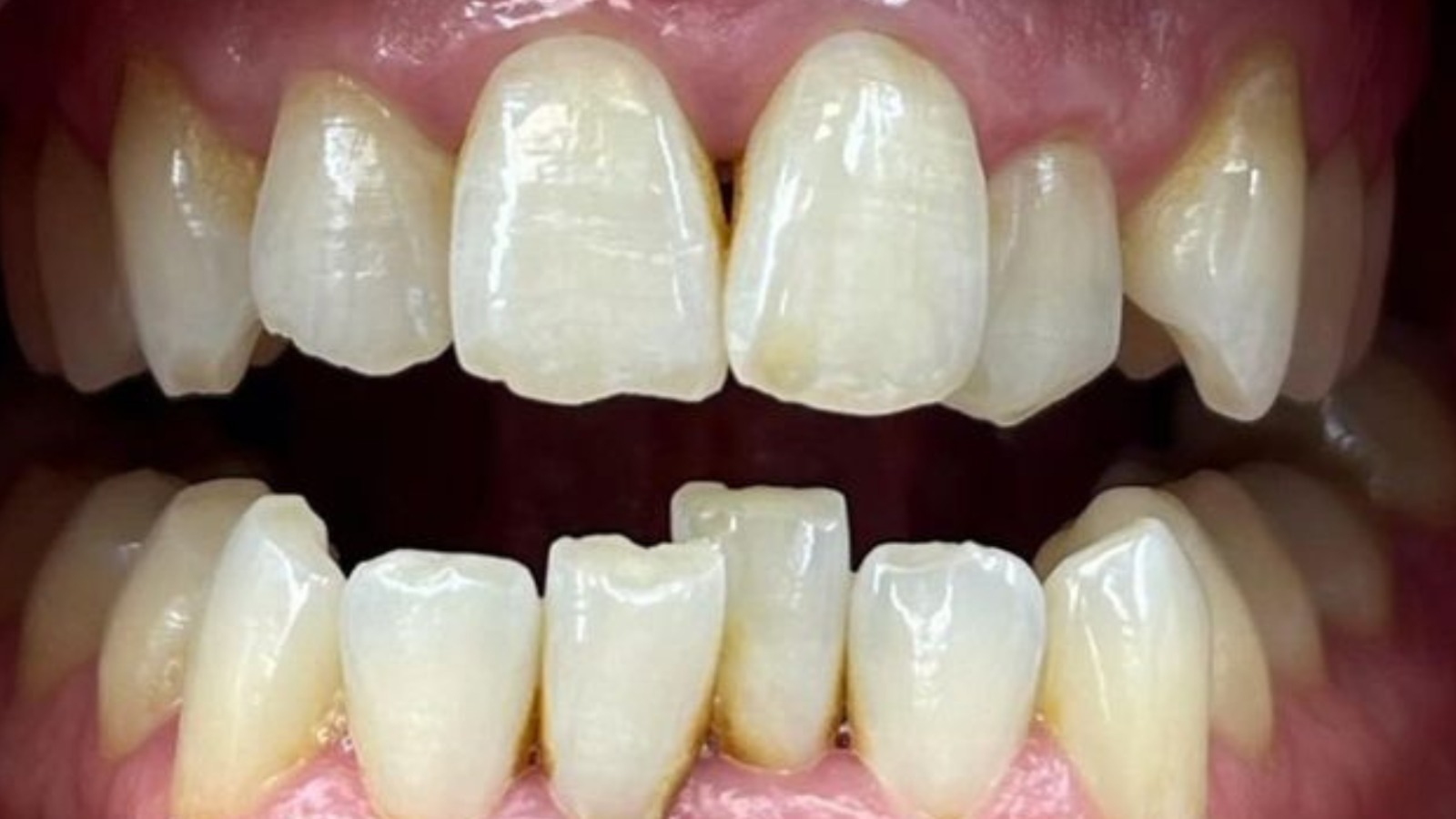
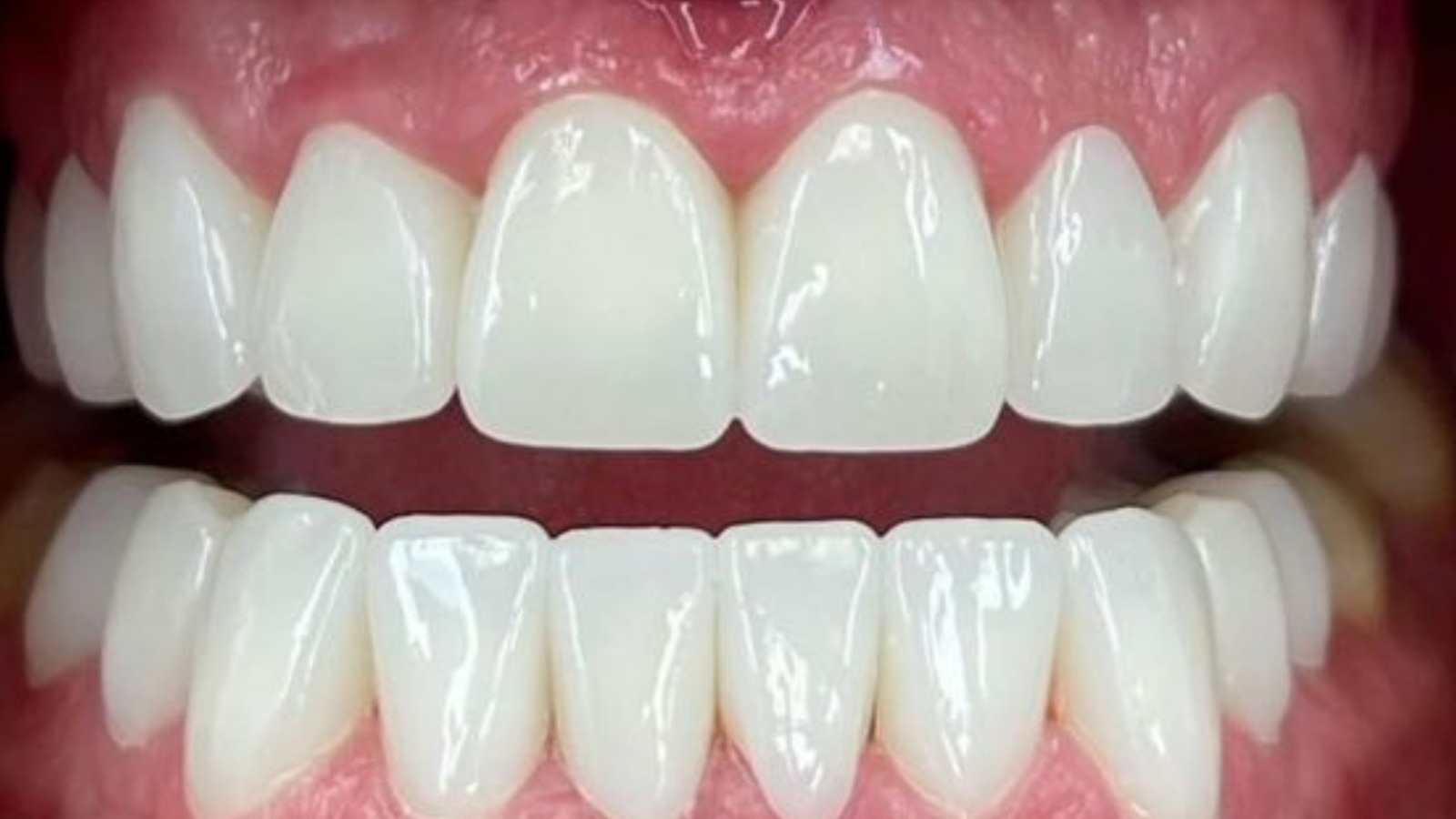
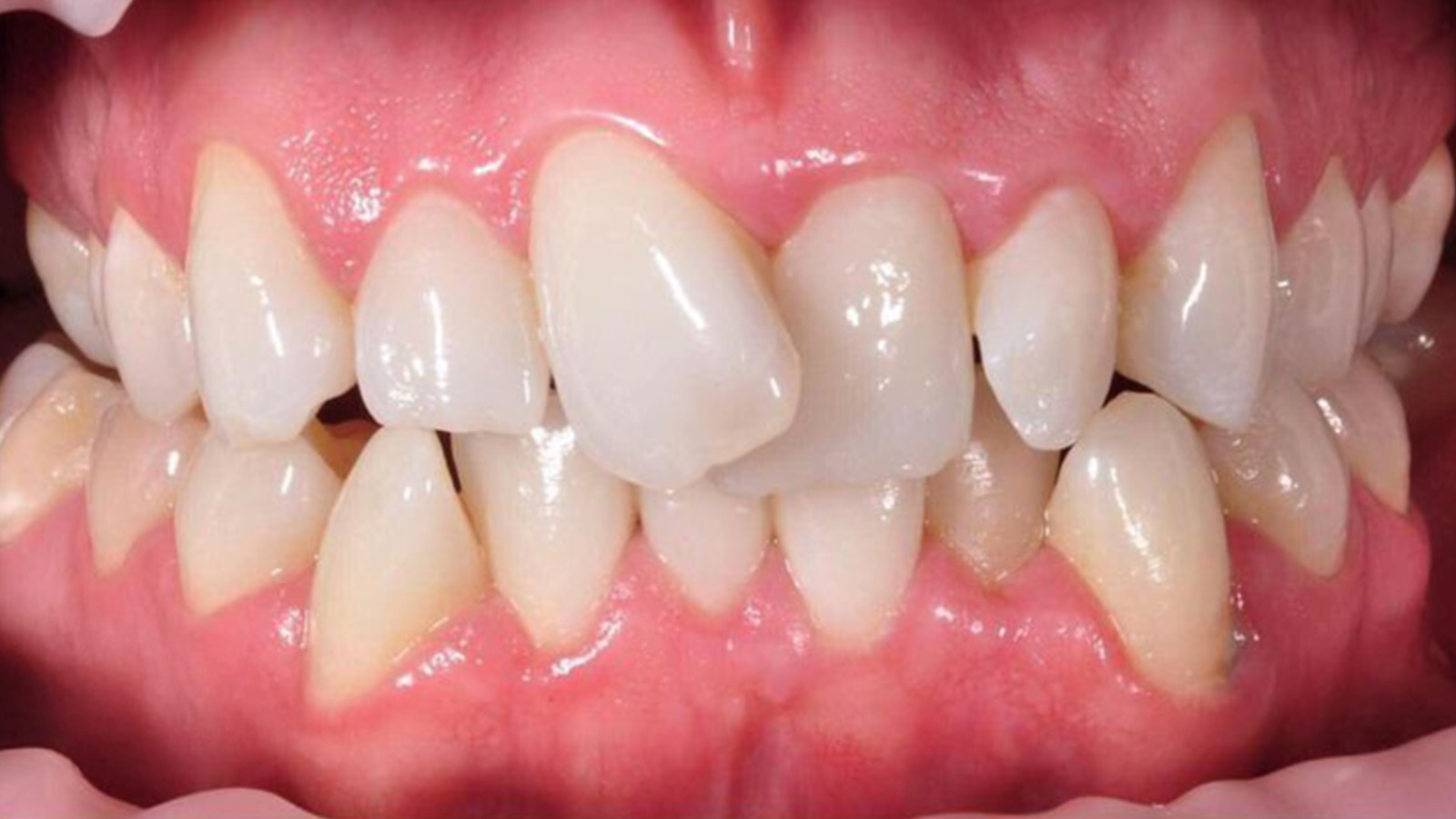
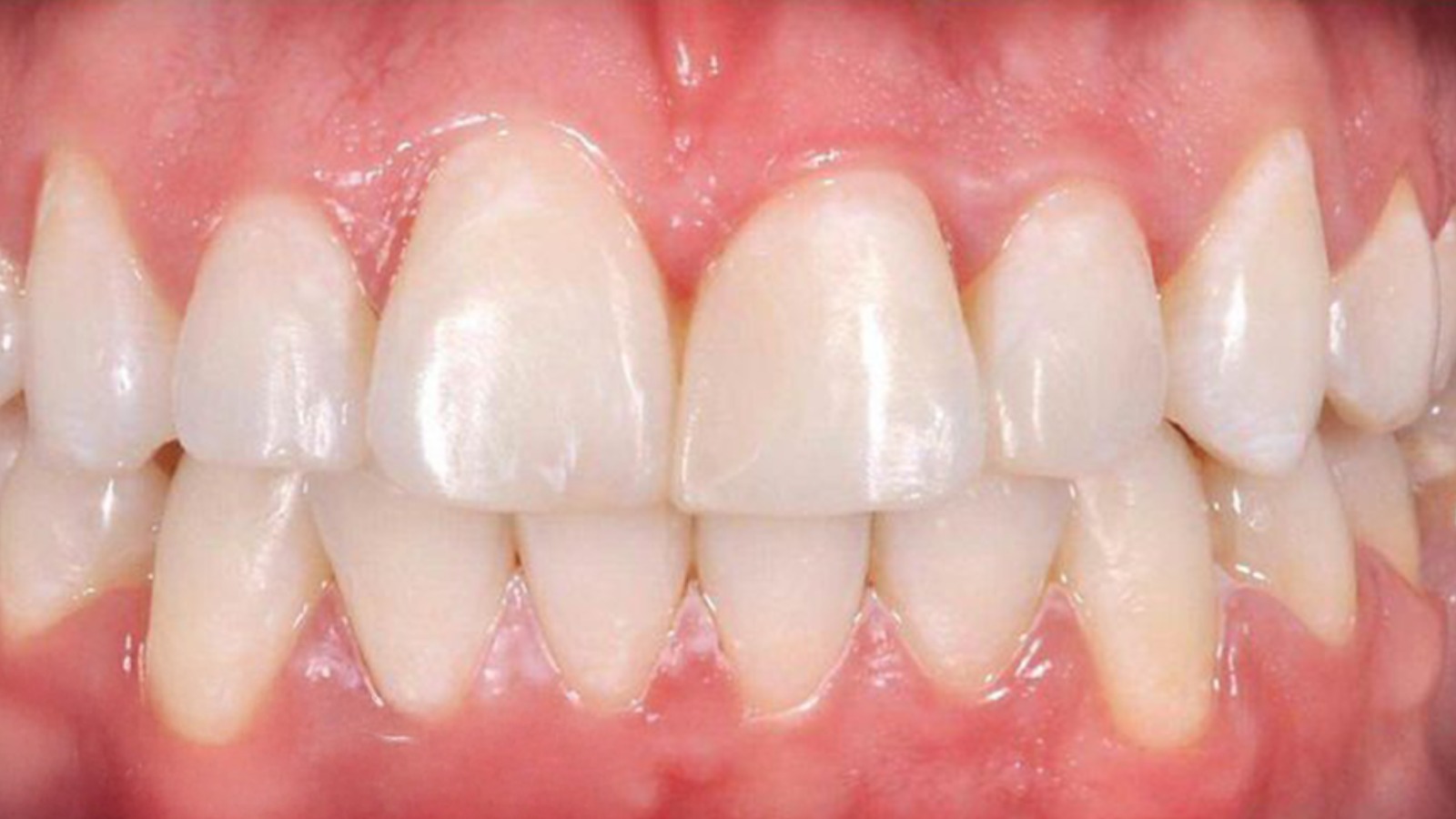
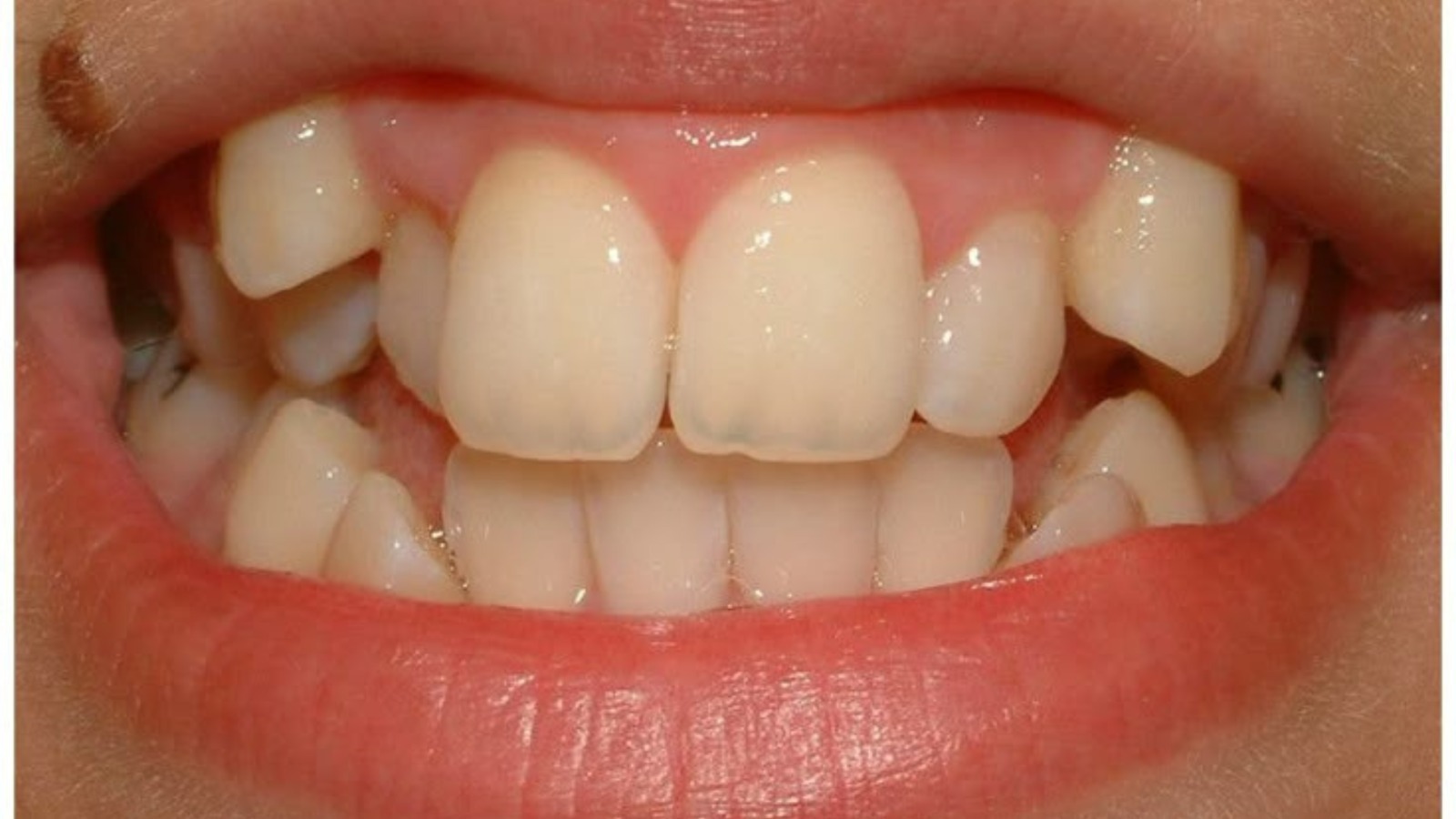
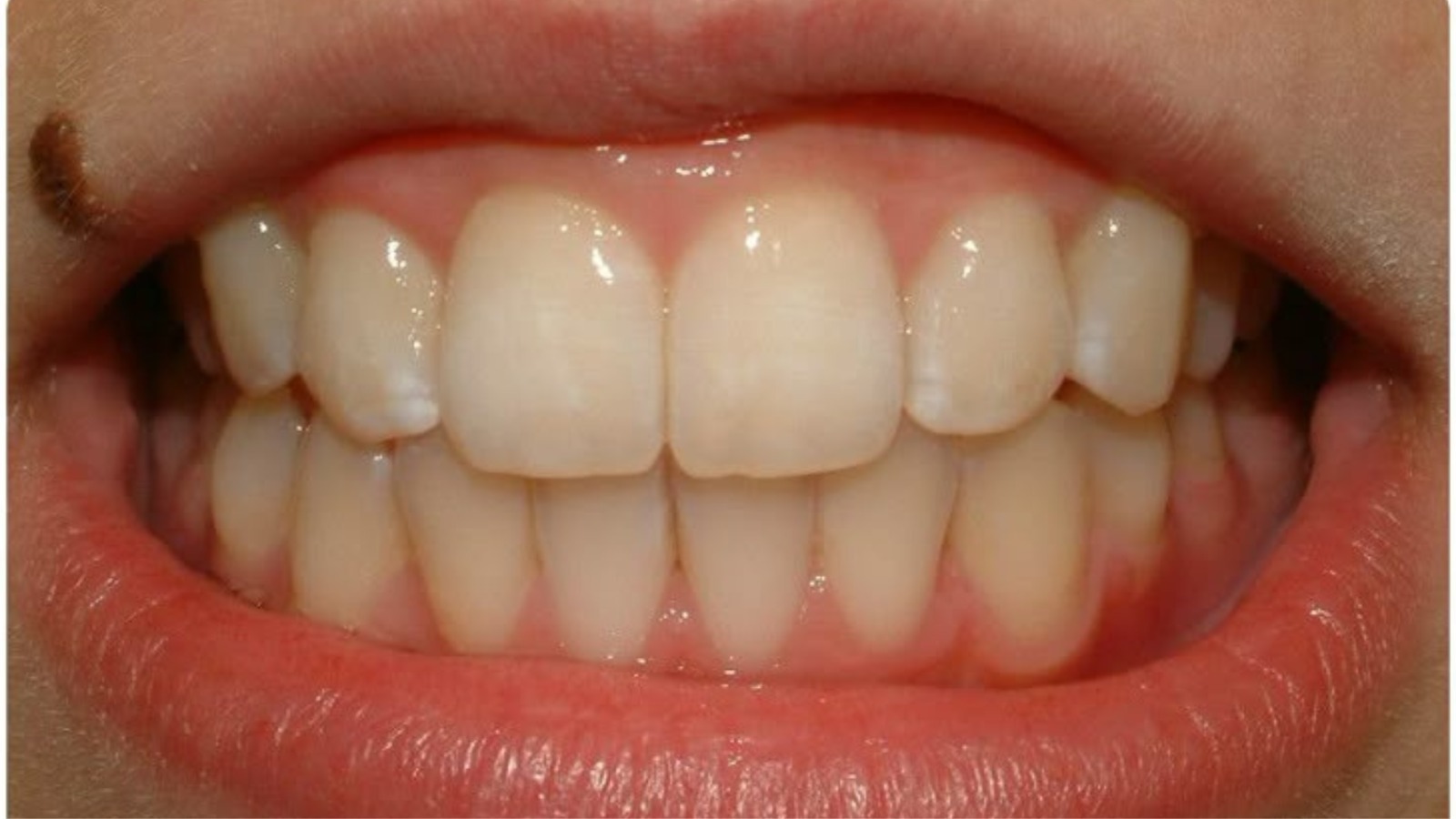
Smile Gallery: Real Patient Results
Here are a few of our patients’ real before and after photos. Actual results may vary by case.
The veneer smile makeover process: what to expect
- Smile consultation. We discuss your goals, examine your teeth and gums, and take photos and X-rays to confirm veneers are the right fit for you.
- Smile design & mock-up. Using digital imaging or a wax mock-up, we show you a preview of your planned new smile shape, length, and shade before any permanent work is done.
- Tooth preparation (porcelain only). A very thin layer of enamel — often less than half a millimetre — is gently removed from the front of each tooth to make room for the veneer.
- Impressions. A digital scan or physical impression is sent to a dental lab, which custom-crafts your porcelain veneers to match your desired shade and shape, usually over 1–2 weeks.
- Temporary veneers. You’ll wear temporary veneers in the meantime so you’re never without a complete smile.
- Bonding. Once your final veneers arrive, we check the fit, colour, and bite carefully, make small adjustments if needed, and permanently bond them in place.
- Composite veneers skip the lab and temporary steps entirely — they’re sculpted, shaped, and polished directly onto your teeth in a single appointment.
How long do dental veneers last?
Porcelain veneers typically last 10–15 years, and many patients get even longer with excellent care. Composite veneers generally last 5–7 years before they need polishing, repair, or replacement. Longevity depends on your oral hygiene, whether you grind your teeth at night, and avoiding habits like biting fingernails, pens, or ice, which can chip the edges.
Caring for your dental veneers Mississauga restoration
- Brush twice daily and floss once daily, just as you would with natural teeth
- Avoid biting directly into very hard foods, and don’t use your teeth to open packaging
- Wear a night guard if you grind or clench your teeth, since this is the most common cause of a chipped or loosened veneer
- Limit staining foods and drinks like red wine, coffee, and dark berries, especially with composite veneers
- Keep up with your regular dental cleanings and checkups so we can spot any wear early
Veneers vs teeth whitening vs Invisalign: which is right for you?
These three cosmetic options are sometimes confused, but they solve different concerns:
- Choose teeth whitening if your teeth are healthy and well-aligned but discoloured — whitening lifts stains without changing the shape of your teeth.
- Choose veneers if you want to change the colour, shape, length, or minor alignment of your teeth all at once, or if whitening alone hasn’t achieved the shade you want.
- Choose Invisalign if your main concern is crooked or misaligned teeth rather than colour or shape — veneers can mask minor misalignment but won’t correct a significantly crooked bite.
Many patients actually combine treatments — for example, whitening the lower teeth while placing veneers on the upper front teeth for a seamless, matching result. We’ll help you map out the most efficient (and cost-effective) path to the smile you want.
Are dental veneers covered by insurance?
Because dental veneers Mississauga treatment is typically considered a cosmetic treatment, most dental insurance plans do not cover them, and the Canadian Dental Care Plan does not cover elective cosmetic procedures either. That said, many patients spread the cost using a payment plan, and if a veneer is being placed for a functional reason (such as repairing a chip from an injury), partial coverage may apply — we can help you check with your provider.
Are you a good candidate for dental veneers?
Most patients with reasonably healthy teeth and gums are good candidates for veneers, but a few factors matter. You’ll need enough healthy enamel remaining for the veneer to bond to securely, so teeth with large fillings, significant decay, or a cracked structure may need a crown instead. Healthy gums are also important, since untreated gum disease can affect how well a veneer bonds and how it looks long-term — we’ll treat any gum issues first if needed. Patients who grind or clench their teeth heavily at night can still get veneers, but we’ll usually recommend a custom night guard alongside them to protect against chipping.
During your consultation, we’ll examine your bite, gum health, and enamel thickness to confirm dental veneers Mississauga patients receive are the right fit, and suggest an alternative if they’re not.
How to choose your veneer shade and shape
One of the most common questions we get is how white is too white. The most natural-looking results usually aren’t the whitest shade available, but a shade that complements your skin tone, the whites of your eyes, and looks believable next to any natural teeth that aren’t being treated. During your smile design consultation, we’ll show you a range of shade options and use digital photography or a mock-up to preview how different shades and tooth shapes look on your actual face — not just on a shade chart. Shape matters just as much as colour: rounder edges tend to look softer and more youthful, while squarer edges can look bolder and more defined.
We’ll talk through what look you’re going for — natural and subtle, or a brighter, more dramatic transformation — before any preparation begins.
Aftercare timeline: the first year with new veneers
First 48 hours. Mild gum sensitivity around the veneers is normal. Stick to softer foods if your bite feels slightly different while you adjust, and avoid very hot or cold foods if you notice sensitivity.
First 2 weeks. Your bite and speech should start to feel completely normal. This is a good time to flag any small concerns about shape, shade, or fit at a quick follow-up — small adjustments are much easier to make early.
First 6 months. Keep up with a consistent oral hygiene routine and avoid habits like nail-biting, chewing ice, or using your teeth to open packaging, which are common causes of early veneer chips.
Ongoing. Continue your regular cleanings and checkups so we can monitor the bonding seal, check for any wear, and catch small issues — like a chip or a lifting edge — before they become bigger problems.
Common myths about dental veneers
Myth: Veneers look fake or overly perfect. Older veneers sometimes had a flat, opaque look, but modern porcelain veneers are layered to mimic the natural translucency of enamel, so well-designed veneers look convincingly natural, not artificial.
Myth: Veneers don’t need any special care. While veneers themselves can’t decay, the natural tooth structure underneath and the gumline around them absolutely can — regular brushing, flossing, and checkups are just as important as with natural teeth.
Myth: Anyone can get veneers regardless of their dental health. Untreated decay, gum disease, or a poorly controlled grinding habit should be addressed first, since veneers placed over unhealthy teeth or gums won’t hold up as well long-term.
Myth: Veneers are only for celebrities or major smile transformations. Many of our patients get just 2 to 4 veneers to fix a single chipped or discoloured tooth, not a full smile makeover — veneers work well for small, targeted fixes too.
Combining veneers with other treatments
Veneers are often part of a broader smile plan rather than a stand-alone treatment. Patients sometimes complete a round of teeth whitening first, on the teeth that won’t be veneered, to make sure the veneer shade matches the rest of their smile evenly. Others use Invisalign first to straighten a crooked bite, then add veneers afterward for a final polish on shape and colour — this combination often achieves a better, longer-lasting result than veneers alone would on significantly misaligned teeth. If a tooth has more significant damage than a veneer can address, we may recommend a crown on that specific tooth instead, matched carefully to blend with the veneers on the surrounding teeth. We’ll map out the most logical order of treatments during your consultation so each step builds toward your final result efficiently.
Serving Mississauga, Erin Mills, Churchill Meadows, Streetsville & Meadowvale
Eglinton Oak Dental provides dental veneers Mississauga and full smile makeovers to patients across Mississauga, including Erin Mills, Central Erin Mills, Churchill Meadows, Streetsville, and Meadowvale. Our Eglinton Ave W clinic offers flexible scheduling, including evenings and Saturdays, for patients fitting a smile makeover around work and family life.
Frequently overlooked factors that affect your veneer results
A few details make a bigger difference to your final result than most patients expect. Photography and lighting matter more than you’d think — teeth that look perfectly matched under the bright overhead lighting in a dental office can look slightly different in natural daylight or warm indoor lighting, which is why we like to check the shade in more than one lighting condition before finalizing anything. The condition of your gumline also plays a role in how polished the final result looks; if your gums are uneven, puffy from inflammation, or recede unevenly, we may recommend addressing that first with a cleaning or minor gum contouring so the veneers sit against healthy, even tissue.
Your bite relationship matters too — veneers that are shaped without carefully checking how your upper and lower teeth meet can end up feeling “high” or uneven when you bite down, which is why we always do a careful bite check at your try-in and final appointments, not just a visual check in the mirror.
Maintaining your investment long-term
Because porcelain veneers represent a meaningful investment, protecting that investment over the years matters. Beyond the basics of brushing, flossing, and avoiding hard foods, consider using a soft-bristled or electric toothbrush to avoid excessive wear at the gumline, and choose a non-abrasive toothpaste rather than a whitening toothpaste with strong abrasives, which can dull the polish on porcelain over time (and won’t whiten porcelain anyway, since it doesn’t respond to whitening agents like natural enamel does).
If you notice any change — a rough edge, a slightly different colour on one veneer, or any looseness — book an appointment promptly rather than waiting for your next scheduled cleaning, since small issues caught early are often a quick, inexpensive fix, while issues left unaddressed can sometimes mean replacing the veneer entirely. With consistent care, it’s common for well-maintained porcelain veneers to comfortably reach or exceed the upper end of their expected lifespan.
Considering more than just veneers? See our complete smile makeover guide, which covers combining veneers with whitening, bonding, or Invisalign.
Why Choose Eglinton Oak Dental for Dental Veneers Mississauga
A great dental veneers Mississauga result comes down to artistry as much as technique — the shade, shape, and proportions need to look natural next to your other teeth, not just white and uniform. Our cosmetic dentistry team takes the time to design a smile that suits your face and your goals, using digital previews so you know what to expect before we prepare a single tooth. Rated 4.8★ by more than 320 patients, we’re upfront about cost, timeline, and whether veneers — or a different treatment entirely — is really the best option for you. Call 905-607-1112 to book your smile consultation.
Frequently asked questions about dental veneers in Mississauga
How much do dental veneers Mississauga clinics charge?
Dental veneers Mississauga clinics typically charge $300 to $600 per tooth for composite, while porcelain veneers range from about $1,000 to $2,000 per tooth. A full smile makeover with 6 to 10 porcelain veneers generally runs $8,000 to $18,000.
How long do dental veneers last?
Porcelain veneers typically last 10 to 15 years with good care, while composite veneers generally last 5 to 7 years before needing polishing, repair, or replacement.
Do veneers ruin your natural teeth?
Porcelain veneers require removing a very thin layer of enamel, which is not reversible, but the procedure is minimally invasive when done properly and the tooth remains protected by the veneer afterward. Composite veneers require little to no enamel removal.
Are dental veneers covered by insurance or the CDCP?
Veneers are generally considered a cosmetic treatment, so most insurance plans and the Canadian Dental Care Plan do not cover them, though partial coverage may apply if a veneer repairs damage from an injury.
What is the difference between porcelain and composite veneers?
Porcelain veneers are lab-made, more stain-resistant, and last longer, usually 10 to 15 years, while composite veneers are sculpted directly onto the tooth in a single visit, cost less, but generally last 5 to 7 years.
Can veneers fix crooked teeth?
Veneers can mask minor misalignment and gaps, but for significantly crooked teeth or bite issues, an orthodontic option like Invisalign is usually recommended either instead of or before veneers.
How many veneers do most people get?
Most patients choose 6 to 8 veneers on the upper front teeth, known as the smile zone, since this is what shows most when you smile and speak.
Is getting veneers painful?
The tooth preparation and bonding process is done with local anesthesia when needed, so most patients feel little to no discomfort. Mild sensitivity for a few days afterward is normal.