
Emergency Dentist in Mississauga: Same-Day & Urgent Dental Care (2026)
A sudden toothache, a broken tooth, or a knocked-out tooth can’t wait for a routine appointment weeks away. If you’re searching for an emergency dentist Mississauga families trust, this guide covers exactly what counts as a dental emergency, what to do in the first few minutes, how much treatment typically costs, and how to get seen fast. At Eglinton Oak Dental, we offer same-day emergency appointments for urgent dental problems — call 905-607-1112 now if you’re in pain.
Need an Emergency Dentist Mississauga Trusts, Today?
We offer same-day emergency appointments — rated 4.8★ by 320+ patients. Fill in the quick form below and our team will call you right back, or call 905-607-1112 now.
What counts as a dental emergency?
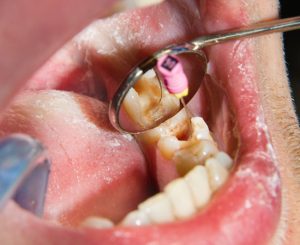
Not every dental problem needs to be seen the same day, but some absolutely do. A true dental emergency generally involves severe pain, uncontrolled bleeding, risk of infection spreading, or a real chance of losing a tooth if treatment is delayed. Situations that call for urgent same-day care include:
- Severe, throbbing tooth pain that won’t go away
- A knocked-out (avulsed) tooth
- A cracked, chipped, or broken tooth — especially with pain or a visible nerve
- A lost filling or crown causing pain or sensitivity
- Swelling in the face, jaw, or gums (possible abscess or infection)
- Uncontrolled bleeding after an injury or extraction
- A broken denture, bridge, or dental appliance causing discomfort
If you’re unsure whether your situation is urgent, call 905-607-1112 and describe your symptoms — our team will tell you honestly whether you need to be seen right away or can wait for a regular appointment.
Same-day emergency appointments at Eglinton Oak Dental
We understand dental emergencies don’t wait for convenient timing. That’s why we reserve same-day appointment slots specifically for urgent cases, so patients in real pain aren’t stuck waiting days for relief. When you call, we’ll ask a few quick questions to understand your emergency, get you in as soon as possible — often the same day — and focus first on relieving your pain before planning any longer-term treatment. Our office is easy to reach from Erin Mills, Central Erin Mills, Churchill Meadows, Streetsville, and Meadowvale.
Walk-In Dentist Mississauga: Do We Accept Patients Without an Appointment?
If you’re searching for a walk-in dentist Mississauga can see the same day, we do accommodate walk-in patients whenever our same-day emergency capacity allows. That said, calling ahead at 905-607-1112 before you arrive is still the fastest route to care — it lets our team prepare for your specific emergency and often means a chair is ready the moment you walk in, rather than waiting in reception while we find an opening between other same-day patients. Either way, if you’re in pain, don’t hesitate to come by or call.
What makes a reliable emergency dentist Mississauga patients can call
A good emergency dentist Mississauga residents can count on offers same-day slots, clear communication, and fast pain relief — not a scheduling runaround when you’re already in distress. That’s exactly what we aim to deliver.
Common dental emergencies and what to do
Knowing what to do in the first few minutes can make a real difference in the outcome. Here’s how to handle the most common emergencies while you’re on your way to us:
Severe toothache. Rinse your mouth with warm water, gently floss to remove any trapped food, and take an over-the-counter pain reliever if needed. Avoid placing aspirin directly on the gum or tooth, as this can burn the tissue. Do not apply heat.
Knocked-out tooth. Pick the tooth up by the crown (not the root), rinse it gently with water if dirty (don’t scrub), and try to reinsert it into the socket if possible. If that’s not possible, keep it moist in milk or your own saliva. Get to a dentist within 30–60 minutes for the best chance of saving the tooth.
Chipped or broken tooth. Save any broken pieces, rinse your mouth with warm water, and apply a cold compress to reduce swelling. Cover any sharp edges with dental wax or sugar-free gum if it’s irritating your cheek or tongue.
Lost filling or crown. Keep the crown if you still have it — we may be able to re-cement it. In the meantime, avoid chewing on that side and keep the area clean.
Swelling or facial abscess. This can indicate a serious infection. Apply a cold compress, avoid pressing on the area, and seek emergency dental care as soon as possible — don’t wait, as infections can spread quickly.
Object stuck between teeth. Try gently flossing it out. Never use a sharp object like a pin or knife, which can damage your gums or push the object further in.
How much does emergency dental treatment cost in Mississauga?
Emergency dental costs vary widely depending on what’s needed to resolve the problem. As a general guide for 2026:
- Emergency exam & X-ray: roughly $80 – $180
- Pain relief / temporary filling: roughly $100 – $300
- Root canal treatment (if the nerve is affected): roughly $700 – $1,800 depending on the tooth
- Tooth extraction: roughly $150 – $450 for a simple extraction, more for surgical cases
- Re-cementing a crown: roughly $75 – $200
The exact cost depends entirely on the diagnosis, so we always start with an exam to understand exactly what’s wrong before recommending treatment and giving you a clear, upfront price.
Is emergency dental care covered by insurance or the CDCP?
Most dental insurance plans cover emergency exams, X-rays, and necessary treatment like fillings, extractions, and root canals under their basic or major services categories — though coverage percentages vary by plan. The Canadian Dental Care Plan (CDCP) also covers many essential and emergency treatments for eligible patients, including exams, X-rays, fillings, and extractions — see our CDCP coverage page for details. We’ll help verify your coverage quickly, even during an emergency visit, so you understand your costs before treatment begins.
What to do while you wait for your emergency appointment
A few simple steps can help manage discomfort until you’re seen:
- Take an over-the-counter pain reliever as directed (avoid aspirin near the gum tissue directly)
- Rinse gently with warm salt water to reduce bacteria and soothe irritation
- Apply a cold compress to the outside of your cheek for swelling or pain
- Avoid very hot, cold, or hard foods on the affected side
- Sleep with your head slightly elevated if throbbing pain worsens when lying flat
These steps manage symptoms temporarily — they don’t replace treatment, so it’s still important to be seen as soon as possible.
Finding the right emergency dentist Mississauga has available today
When pain strikes, you need an emergency dentist Mississauga clinics can get you into fast — not next week. We keep same-day slots open specifically for this reason, so call first rather than waiting to see if the pain passes.
How to prevent dental emergencies
While not every emergency is avoidable, these habits significantly reduce your risk:
- Wear a mouthguard during sports or activities with a risk of facial impact
- Avoid chewing hard items like ice, hard candy, popcorn kernels, or pen caps
- Don’t use your teeth as tools to open packages or bottles
- Keep up with regular checkups so small problems like weak fillings or early decay are caught before they become emergencies
- Wear a night guard if you grind your teeth, which weakens enamel over time
Ask us about a custom night guard if you’re prone to grinding or clenching, especially if you’ve had repeated cracked teeth or fillings in the past.
Serving emergency dental patients across Mississauga
Eglinton Oak Dental is a trusted emergency dental option for families and individuals across Erin Mills, Central Erin Mills, Churchill Meadows, Streetsville, Meadowvale, and Lakeview. Our Eglinton Ave W location is centrally located and easy to reach quickly when you’re in pain, with flexible scheduling — including evenings and Saturdays — to fit urgent needs around your day.
Your emergency dentist Mississauga can reach any day of the week
Dental pain doesn’t wait for business hours to start, and neither should your care. As an emergency dentist Mississauga patients can reach with flexible scheduling, we make it as easy as possible to get relief when you need it most — call 905-607-1112 any time you’re in pain.
Why choose Eglinton Oak Dental for emergency dental care
When you’re in pain, you need a team that acts fast, communicates clearly, and genuinely cares about getting you comfortable again. At Eglinton Oak Dental, same-day emergency patients get prompt attention, honest treatment recommendations, and transparent pricing with no pressure. As the emergency dentist Mississauga families keep coming back to, rated 4.8★ by more than 320 patients, our team is ready to help — whether it’s a sudden toothache at 8am or a sports injury on a Saturday afternoon. Call 905-607-1112 as soon as a problem starts; the sooner we see you, the simpler and more comfortable your treatment will be.
Frequently asked questions about emergency dental care in Mississauga
How fast can I get a same-day emergency dental appointment?
We reserve same-day slots for urgent dental problems and do our best to see emergency patients within hours of calling. Call 905-607-1112 as soon as your emergency starts.
What should I do if my tooth gets knocked out?
Pick it up by the crown, rinse gently without scrubbing, try to reinsert it if possible, or keep it in milk or saliva, and get to a dentist within 30 to 60 minutes for the best chance of saving it.
How much does an emergency dentist visit cost in Mississauga?
An emergency exam and X-ray typically costs $80 to $180, with further treatment like fillings, extractions, or root canals priced separately based on what’s needed. We’ll give you a clear quote before treatment.
Is emergency dental treatment covered by insurance or CDCP?
Yes, most insurance plans and the Canadian Dental Care Plan cover emergency exams and essential treatment like fillings, extractions, and root canals for eligible patients. We’ll help verify your coverage during your visit.
What if I have severe tooth pain but no visible damage?
Severe pain often signals a deeper problem like decay reaching the nerve or an infection, even without visible damage. This still counts as a dental emergency and should be examined promptly.
Do you treat emergencies for patients who aren’t already registered with your clinic?
Yes, new patients experiencing a dental emergency are always welcome. Call 905-607-1112 and we’ll get you seen as quickly as possible.
Can I walk in without an appointment?
Yes, we accommodate walk-in patients whenever same-day capacity allows, though calling 905-607-1112 ahead of time usually gets you seen faster since we can prepare for your specific emergency in advance.