
Considering wisdom teeth removal in Mississauga? This complete guide covers the signs you may need yours out, the different types of impaction, what the procedure and sedation are like, typical costs, a day-by-day recovery timeline, detailed aftercare, and how to avoid complications like dry socket. At Eglinton Oak Dental, we offer safe, gentle wisdom tooth removal — call 905-607-1112 to book a consultation.
Book Your Appointment at Eglinton Oak Dental
Mississauga’s trusted family & cosmetic dentist — rated 4.8★ by 322 patients. Fill in the quick form below and our team will confirm your visit, or call 905-607-1112.
What are wisdom teeth?
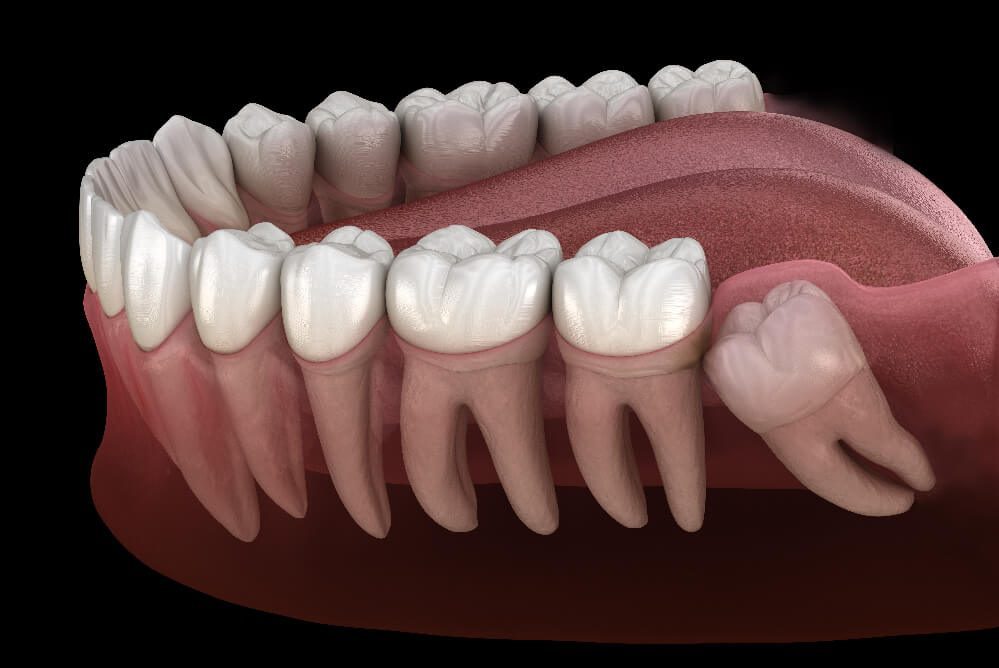
Wisdom teeth are the third and final set of molars, usually appearing between the ages of 17 and 25. For some people they come in straight and healthy and cause no trouble. For many others, there isn’t enough room in the jaw, so they become impacted or grow at an angle — leading to pain, crowding, or infection. A simple exam and X-ray show exactly how yours are positioned and whether removal is the right call.
Do you need your wisdom teeth removed?
Removal is often recommended when wisdom teeth are impacted or causing problems. Common signs include:
- Pain or pressure at the back of your mouth
- Swelling, tenderness, or redness around the gums
- Difficulty opening your mouth or chewing
- Crowding or shifting of nearby teeth
- Repeated infections, cavities, or food trapping behind the molars
- Bad breath or an unpleasant taste from the area
- Cysts or damage to neighbouring teeth seen on X-ray
Types of impaction
“Impacted” means a tooth can’t fully erupt. The type affects how the tooth is removed:
- Mesial impaction — angled forward toward the front of the mouth (the most common).
- Vertical impaction — upright but stuck below the gum.
- Distal impaction — angled backward.
- Horizontal impaction — lying sideways, often the most complex to remove.
What happens if you don’t remove problem wisdom teeth?
Leaving troublesome wisdom teeth in place can lead to repeated infections (pericoronitis), decay in the wisdom tooth or the molar next to it, gum disease, crowding, and in some cases cysts that damage the jaw. Removing them before serious problems develop is usually simpler, more comfortable, and less costly than waiting until there’s pain or infection.
How much does wisdom teeth removal cost in Mississauga?
There’s no single price, because the cost depends on several factors:
- Number of teeth — one tooth versus all four.
- Complexity — a simple extraction of a fully erupted tooth costs less than a surgical removal of an impacted one.
- Sedation — local anesthetic alone, or added sedation for comfort.
- Imaging — X-rays or a 3D scan to plan the procedure.
- Insurance & the CDCP — coverage can significantly reduce your out-of-pocket cost.
Removing all four at once is usually more cost-effective than separate visits. We always provide a clear, written estimate before treatment, and we accept most insurance plans and the Canadian Dental Care Plan. For trusted general information on extractions, see the Canadian Dental Association.
Sedation and comfort options
Many patients feel anxious about extractions, so we offer several comfort options. Local anesthetic fully numbs the area, and for nervous patients or more complex cases we provide sedation dentistry so the appointment feels calm and relaxed. We’ll discuss which option suits you, your health history, and the complexity of your case.
What to expect on the day of surgery
Wisdom tooth removal is a routine procedure. We numb the area (and provide sedation if chosen), gently remove the tooth — sometimes in sections for impacted teeth — and place gauze to help a blood clot form. Simple extractions take just a few minutes per tooth; impacted teeth take a little longer. Beforehand, wear comfortable clothing, follow any fasting instructions if you’re being sedated, and arrange for someone to drive you home if you’ve had sedation.
Recovery timeline
- First 24 hours: rest, keep gauze in place as directed, and let the clot form. Some swelling and minor oozing is normal. Use cold compresses on the cheek (20 minutes on, 20 off).
- Days 2–3: swelling typically peaks then improves. Continue cold compresses and stick to soft, cool foods.
- Days 3–5: most people return to normal routines and work or school.
- Week 1–2: the gums finish healing; any stitches are removed or dissolve.
Aftercare: do’s and don’ts
Do: rest for the first day or two, eat soft cool foods (yogurt, smoothies by spoon, mashed potatoes, scrambled eggs), gently rinse with warm salt water after the first 24 hours, keep the area clean, and take any prescribed medication as directed.
Don’t: use a straw, spit forcefully, smoke, or rinse hard in the first 24 hours — these can dislodge the clot and cause painful “dry socket.” Avoid hot, spicy, crunchy, or chewy foods, alcohol, and strenuous exercise for a few days. Don’t poke the area with your tongue or finger.
Dry socket: signs and prevention
Dry socket happens when the protective blood clot is lost too early, exposing bone and nerves. Signs include a throbbing pain that starts a few days after surgery, often radiating to the ear, plus a bad taste or odor. Prevent it by avoiding straws, smoking, and vigorous rinsing in the first few days. If you think you have dry socket, call us — it’s easily treated and we’ll get you comfortable quickly.
Is there a best age to remove wisdom teeth?
Wisdom teeth are often easier to remove in the late teens and early twenties, when the roots aren’t fully formed and the bone is more flexible, which can mean a smoother recovery. That said, they can be safely removed at any age when there’s a problem. The best approach is an exam and X-ray to assess your specific situation.
Comfortable wisdom teeth removal in Mississauga
If your wisdom teeth are causing trouble — or you’d simply like peace of mind — our team makes the process safe and stress-free. Book a consultation or call 905-607-1112. For sudden pain or swelling, see our emergency dentist page.
Soft food ideas for recovery
Eating well after surgery helps you heal, but you’ll want to stick to soft, cool, and easy-to-chew foods for the first few days. Good options include yogurt, smoothies (eaten with a spoon, never a straw), applesauce, mashed potatoes, scrambled eggs, oatmeal that has cooled, blended soups (lukewarm, not hot), cottage cheese, and well-cooked pasta. Gradually add firmer foods as you feel comfortable, and avoid anything crunchy, spicy, chewy, or with small seeds and grains that could lodge in the socket.
Managing pain and swelling at home
Some swelling and discomfort is normal and peaks around day two to three. Use a cold compress on your cheek in 20-minute intervals for the first 24–36 hours, then switch to gentle warmth if stiffness lingers. Take any prescribed or recommended pain relief on schedule rather than waiting for pain to build. Rest with your head slightly elevated, and avoid bending, heavy lifting, or strenuous activity, which can increase throbbing and bleeding.
When to call us after surgery
Most recoveries are smooth, but contact us if you notice any of the following: bleeding that doesn’t slow with gentle pressure after a few hours, severe or worsening pain after day three (a possible sign of dry socket), increasing swelling, fever, pus or a bad taste, numbness that doesn’t fade, or difficulty swallowing or breathing (seek urgent care for the last one). A quick call lets us reassure you or get you seen promptly. See our emergency dentist page for after-hours guidance.
Returning to work, school, and exercise
Most people take it easy for the first day or two and return to work or school within three to five days, depending on how they feel and how physical their day is. Light activity is fine once bleeding has stopped, but hold off on intense exercise, sports, and heavy lifting for about a week to protect the healing site. Listen to your body — if something increases pain or bleeding, ease off and give yourself more time.
Caring for the area as it heals
After the first 24 hours, gently rinse with warm salt water several times a day, especially after meals, to keep the socket clean. Brush your other teeth as normal but be gentle near the extraction site. Stay hydrated, avoid smoking and alcohol while healing, and keep any follow-up appointment so we can check that everything is healing well.
Preparing for your wisdom teeth consultation
Your first visit is all about getting answers. We’ll take an X-ray (or a 3D scan for complex cases) to see exactly how your wisdom teeth are positioned, examine the area, and discuss whether removal is recommended now or whether we can monitor them. We’ll also review your medical history, talk through sedation and comfort options, and give you a clear written estimate. Come with your questions — about recovery time, costs, or anything that’s worrying you — and you’ll leave knowing exactly what to expect.
The long-term benefits of timely removal
When wisdom teeth are causing problems, removing them at the right time protects the rest of your smile. It prevents damage and decay in the neighbouring molars, stops repeated infections, relieves crowding pressure, and avoids the more difficult surgery and longer recovery that can come with waiting until roots are fully formed or complications develop. For many patients, timely removal is a one-time procedure that spares them years of recurring discomfort.
Why patients choose Eglinton Oak Dental
Wisdom teeth removal is routine for us, and we focus on making it as comfortable and stress-free as possible — gentle technique, clear explanations, sedation for anxious patients, and attentive aftercare. We’re also happy to answer questions in English or Urdu. If you think your wisdom teeth may need attention, don’t wait for pain. Book a consultation or call 905-607-1112 today.
Frequently asked questions
How much does wisdom teeth removal cost in Mississauga?
It depends on the number of teeth, how complex the extraction is, and whether you choose sedation. We provide a clear written estimate first and accept most insurance plans and the Canadian Dental Care Plan.
How long does recovery from wisdom teeth removal take?
Most people return to normal activities within 3–5 days, with the gums fully healing in about two weeks. Resting for the first few days helps you heal faster and prevents complications.
Does wisdom teeth removal hurt?
The procedure itself is comfortable because the area is fully numbed, and sedation is available for anxious patients. Mild soreness afterward is managed with cold compresses and pain relief.
What can I eat after wisdom teeth removal?
Stick to soft, cool foods like yogurt, smoothies (by spoon, not straw), scrambled eggs, and mashed potatoes for the first few days. Avoid hot, spicy, crunchy foods, and don’t use a straw.
What is dry socket and how do I avoid it?
Dry socket is painful exposure of the socket when the blood clot is lost too early. Avoid straws, smoking, and forceful rinsing for the first few days. If you get a throbbing ache a few days after surgery, call us — it’s easily treated.
Do all wisdom teeth need to be removed?
No. Healthy wisdom teeth that come in straight and can be cleaned properly may not need removal. We recommend extraction when they’re impacted, causing pain, crowding, decay, or infection. An X-ray tells us for sure.